
Father's Day is a great opportunity to thank your dad for his support, care, and presence. We often choose gifts that bring momentary joy—perfumes, books, electronics, or hobby-related gadgets. However, more and more people are realizing that one of the most valuable gifts can be caring for the health of our loved ones.
Heart and circulatory system health is especially important for men over 40 and 50. It is during this period that the risk of hypertension, coronary artery disease, arrhythmias, and other cardiac conditions increases. Regular preventive care and checkups allow for earlier detection of abnormalities and more effective prevention of the development of many diseases.
It's worth remembering that the best gift isn't always just another item. Sometimes the greatest value comes from encouraging a loved one to take care of their own health.
Why do men undergo preventive examinations less often?
For years, specialists have been pointing out that men are much less likely to undergo preventive checkups than women. Many men only visit a doctor when they experience clear symptoms or ailments that interfere with daily functioning.
There are many reasons for this. Some people attribute the lack of testing to a lack of time, while others downplay early symptoms or assume that if there's no pain, there's no cause for concern. Unfortunately, many circulatory system diseases develop over years without any obvious symptoms.
Hypertension is often called a "silent killer" because it can remain symptom-free for a long time. This is similar to heart rhythm disturbances and developing atherosclerosis.
Regular check-ups allow you to detect irregularities before serious health consequences occur.
Heart disease remains one of the greatest health threats
Cardiovascular diseases have been among the most common causes of death for many years, both in Poland and worldwide. According to the World Health Organization, heart and blood vessel diseases are responsible for millions of deaths each year.
The most common health problems include:
-
arterial hypertension,
-
coronary artery disease,
-
heart failure,
-
atrial fibrillation,
-
heart rhythm disturbances,
-
atherosclerosis.
The risk of their occurrence is increased by, among others, smoking, lack of physical activity, being overweight, chronic stress, diabetes and an unhealthy diet.
The good news is that many risk factors can be effectively controlled through preventative measures and regular testing.
What symptoms should prompt you to have your heart checked?
Not all cardiac problems cause chest pain. Many symptoms are nonspecific and often attributed to fatigue or age.
It is worth consulting a doctor if you experience:
-
heart palpitations,
-
feeling of uneven heartbeat,
-
dizziness,
-
fainting or fainting,
-
shortness of breath on exertion,
-
getting tired quickly,
-
chronic fatigue,
-
chest pain or tightness,
-
elevated blood pressure values.
These symptoms do not always indicate a serious illness, but require appropriate diagnosis.
Tests that are worth doing after the age of 40 and 50
Cardiac prevention doesn't have to involve complicated and expensive tests. In many cases, basic diagnostics allow for the detection of early abnormalities and the implementation of appropriate measures.
ECG test
Electrocardiography It is one of the basic tests used to assess heart function. It allows for the detection of arrhythmias, conduction abnormalities, and changes that may indicate past or current cardiac problems.
The examination is quick, painless and requires no special preparation.
Holter ECG
Not all heart rhythm disturbances occur continuously. Some occur only intermittently, so they may not be detected during a standard ECG.
Holter ECG It allows for 24/7 monitoring of the heart's electrical activity during daily activities. This allows doctors to more accurately assess heart function and detect intermittent abnormalities.
The test is especially often recommended for people reporting heart palpitations, fainting, dizziness and unexplained episodes of weakness.
ABPM blood pressure holter
A single blood pressure measurement doesn't always provide a true picture of how the body is functioning. Therefore, 24-hour blood pressure monitoring using ABPM is becoming increasingly common.
Blood pressure Holter It performs regular measurements 24 hours a day, both during the day and during sleep. It allows for the detection of masked hypertension, nocturnal hypertension, and the assessment of the effectiveness of treatment.
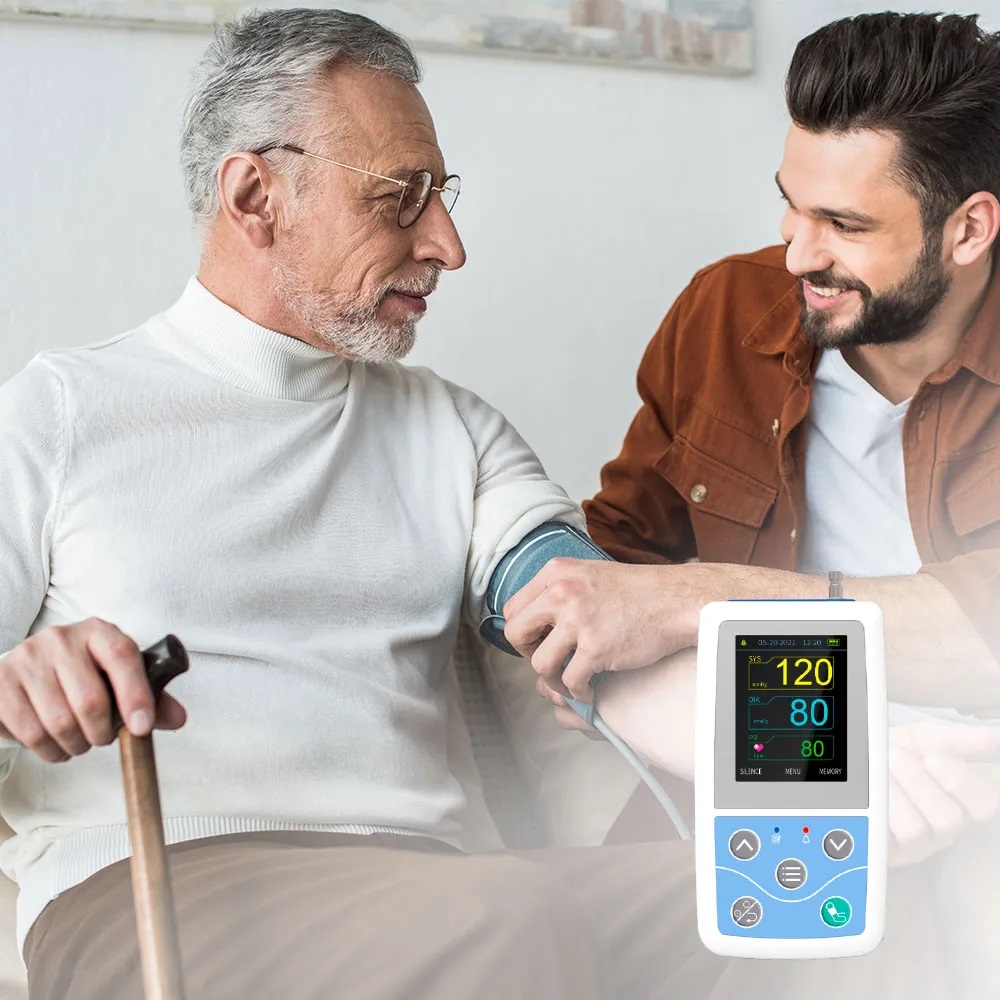
Regular blood pressure checks
Normal blood pressure is one of the most important indicators of cardiovascular health. Many people discover they have hypertension accidentally during routine checkups.
Regular measurements taken at home can help you notice disturbing changes earlier and consult your doctor.
Pulse oximeter – a small device with great importance
Although pulse oximeter It is most often associated with respiratory diseases, but it can also be a useful tool supporting health monitoring.
The device measures blood oxygen saturation and heart rate. In healthy individuals, saturation levels typically range from 95–1001 TP3T.
Reduced values may require further investigation, especially if accompanied by shortness of breath, weakness or other disturbing symptoms.
A pulse oximeter does not replace a medical consultation, but can be an additional source of information about the body's condition.
A healthy lifestyle is still the best prevention
Even the best diagnostic devices cannot replace healthy habits. Heart disease prevention relies primarily on daily decisions that impact the body's health.
The most important elements of health care include:
-
regular physical activity,
-
maintaining a healthy body weight,
-
limiting cigarette smoking,
-
cholesterol control,
-
a healthy and balanced diet,
-
adequate amount of sleep,
-
reducing chronic stress,
-
regular preventive examinations.
Even small lifestyle changes can significantly reduce the risk of heart and blood vessel disease.
The best gift for dad? Health care
Father's Day is a good time to remind loved ones how important preventative health care is. Encouraging dad to get regular checkups, have his blood pressure checked, or see a doctor can be a much more valuable gift than just another gadget.
Heart health shouldn't be something to be left alone. Early detection of abnormalities increases the chances of effective treatment and allows you to enjoy an active life for longer.
It's worth remembering that caring for the health of loved ones is one of the most beautiful expressions of love and gratitude. Perhaps this year, the best gift for dad will be encouraging him to take care of his own heart.
Sources
-
World Health Organization (WHO) – Cardiovascular Diseases (CVDs).
-
Polish Cardiac Society (PTK) – recommendations for the prevention of cardiovascular diseases.
-
National Health Fund – Cardiovascular Disease Prevention Program.
-
European Society of Cardiology (ESC) Guidelines on Cardiovascular Disease Prevention.
-
Practical Medicine – educational materials on hypertension and cardiological diagnostics.
-
Polish Society of Arterial Hypertension – recommendations for the diagnosis and treatment of hypertension.
 Polski
  English (UK)
  Українська